
Patients with juvenile idiopathic arthritis also need ophthalmologic care
Uveitis, a chronic inflammation of the eye, is a serious comorbidity of juvenile idiopathic arthritis (JIA) that, if left untreated, can compromise the vision. Treatment of the disease requires the expertise of both a paediatric rheumatologist and an ophthalmologist. Therefore, it is important to develop the co-operation between these specialists and establish common practices.Published: 21.5.2026
Text: Katriina Mikola
Editing: Viestintätoimisto Jokiranta Oy
Images: Shutterstock
Juvenile idiopathic arthritis is the most common chronic rheumatic disease occurring during childhood. It is, however, rare – rarer than adult-onset rheumatoid arthritis. Uveitis, a chronic inflammation of the eye, is even rarer; it is diagnosed in approximately 20–25% of JIA patients in Finland. If left untreated, this serious comorbidity of JIA can potentially compromise eyesight. It is often asymptomatic, especially in the initial stage of the disease, which sets specific requirements for monitoring and can sometimes also affect treatment compliance.
Treatment requires co-operation
In Finland, patients with juvenile idiopathic arthritis are treated by paediatricians specialised in paediatric rheumatology and the treatment is mainly concentrated in specialised care within the public health services. All university hospitals and the largest central hospitals have a paediatric rheumatology treatment unit. Some smaller hospitals also have a paediatric rheumatologist or, at least, a paediatrician specialised in the disease or a consulting paediatric rheumatologist.
The expertise of an ophthalmologist is always needed for the diagnostics, monitoring and treatment of uveitis. In the majority of hospitals, paediatric patients are treated in normal ophthalmology units with no separate units for children available. This is a natural solution, considering the low number of patients. The treatment of a chronic disease in childhood does, however, entail many elements associated with the growth and, for example, different drug metabolism of children that need to be acknowledged in the monitoring and medication of paediatric patients. These elements are an integral part of a paediatrician's education.
Young patients need support
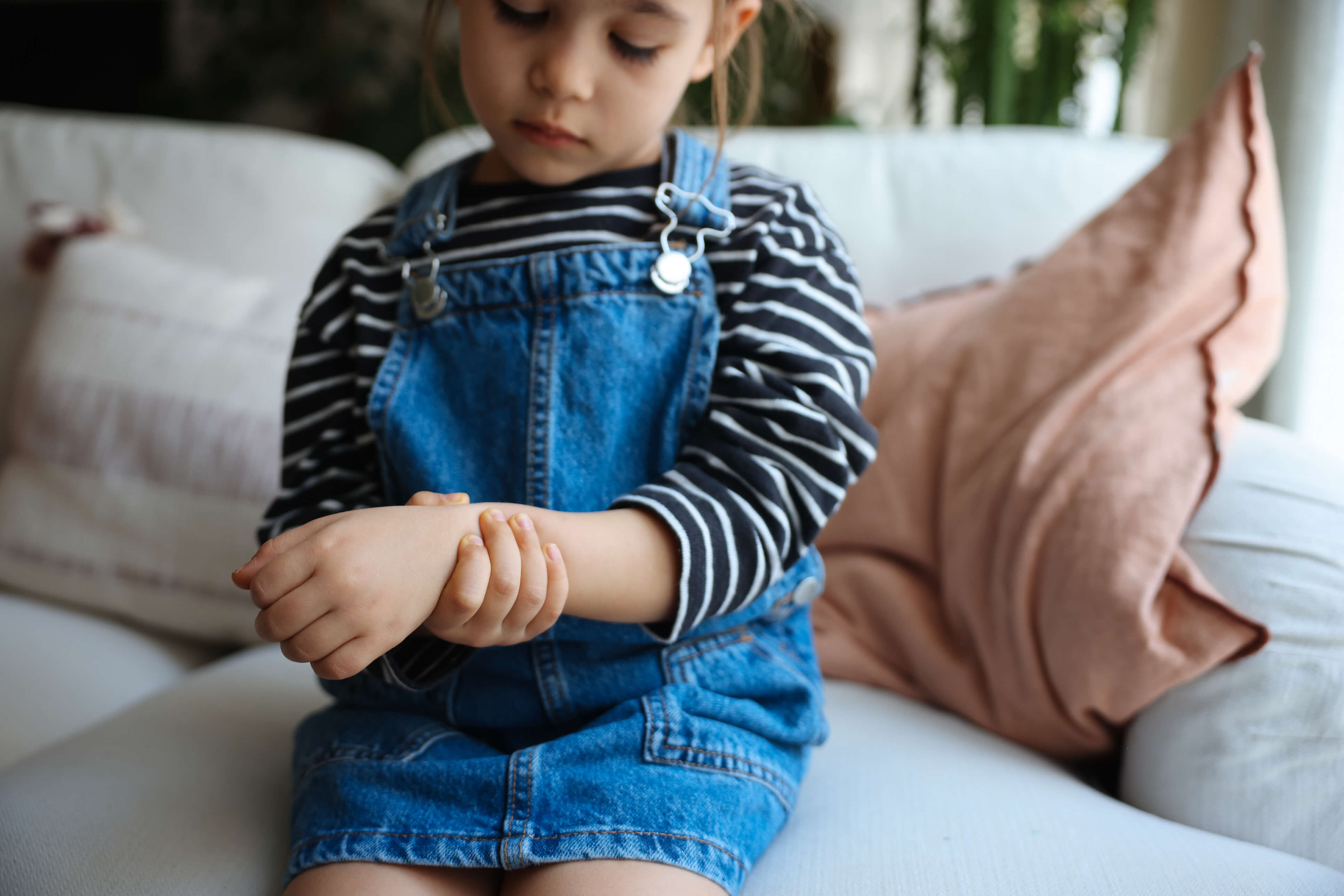
The transition of a young patient’s treatment responsibility from paediatric to adult services creates a unique dimension for the treatment of a chronic disease. Simultaneously, the treatment responsibility is also transitioned from the parents to the young person themselves. The young patient is gradually taught to assume responsibility for their own disease and medication. The human brain is developing up to the age of 25 years: the last parts to develop are the prefrontal areas that play a key role in impulsiveness and emotion control, among others. A young brain that is not yet fully developed longs for quick pleasure and rewards, and young people are not always mature enough to take responsibility for the treatment and monitoring of their disease. Support from and co-operation with both the parents and the health care services are, therefore, needed during the transition period.
Recommendations and clear ground rules are necessary
Effective co-operation between a paediatric rheumatologist and an ophthalmologist is of vital importance in the treatment of uveitis in paediatric JIA patients – for several reasons. A co-operation group consisting of paediatric and adult rheumatologists and ophthalmologists was set up in 2025 to facilitate the development of collaboration. The purpose of the group is to draft a treatment and monitoring recommendation, which will be published in, for example, the Finnish Medical Journal and sent through medical societies to Finnish rheumatologists and ophthalmologists as widely as possible.
Furthermore, we aim to formulate and issue recommendations on, for example, co-operation and the division of work that will, hopefully, be adopted as practices in hospitals. Clear, concrete ground rules concerning practical actions, such as consulting practices and communication and division of work between clinics, are often necessary. The group will draw up, in co-operation with adult rheumatologists, a set of instructions for patients going through the transition phase.
The work of this group, which I am leading, has progressed well and the recommendation is almost finished. We plan to publish it in autumn 2026 and present it more extensively at the meeting of the national coordination centre for rheumatic diseases in November 2026.
Patients benefit the most
Treatment practices often vary between clinics and there are also differences in the ways in which paediatric and adult rheumatologists are used to doing things. Departments of rheumatoid diseases and ophthalmology may be parts of the same hospital but are located physically far from each other, which may cause further challenges to the co-operation.
I do, however, believe that, thanks to the activities of our co-operation group and the better networking it facilitates, the threshold for communication between rheumatologists and ophthalmologists has now been lowered. Agreeing on clear ground rules will help the treating physicians and entire treatment teams as well as, above all, the patients, who will benefit the most. Developing the treatment and monitoring of their disease will ultimately be reflected in the everyday life, functional capacity and future of the patients. The improved treatment will allow them to function normally and age-accordingly as full members of the society despite their chronic disease.
I wish to extend my warmest thanks to the Sakari Alhopuro Foundation for the grant awarded to me, which has made it possible for me to take the time needed to lead this co-operation group.

Katriina Mikola, M.D., Specialist in Paediatrics and Paediatric Rheumatology, works at the New Children's Hospital of HUS Helsinki University Hospital. She has been lecturing on, among others, the transition of JIA patients to adult services. Mikola has been raising the awareness of ophthalmologists on both JIA and the impacts of youth-specific characteristics on the treatment and monitoring of a chronic disease.