
Behind the Art: Polina Choni
Ukrainian artist Polina Choni works with lived experience through natural materials, as they carry time within them. Her multimodal work, centred on steppe ecosystems in war-damaged territories, reflects on resilience and ecological memory.Published: 23.4.2026
Text: Polina Choni
Editing: Viestintätoimisto Jokiranta Oy
How did you become an artist?
I didn’t decide to become an artist at a specific moment. It was a gradual return to what felt essential. I was born in Kyiv and studied design, later working in fashion and film. Those fields taught me how to see form, texture, and structure. But over time, I felt the need to slow down and move closer to the material itself.
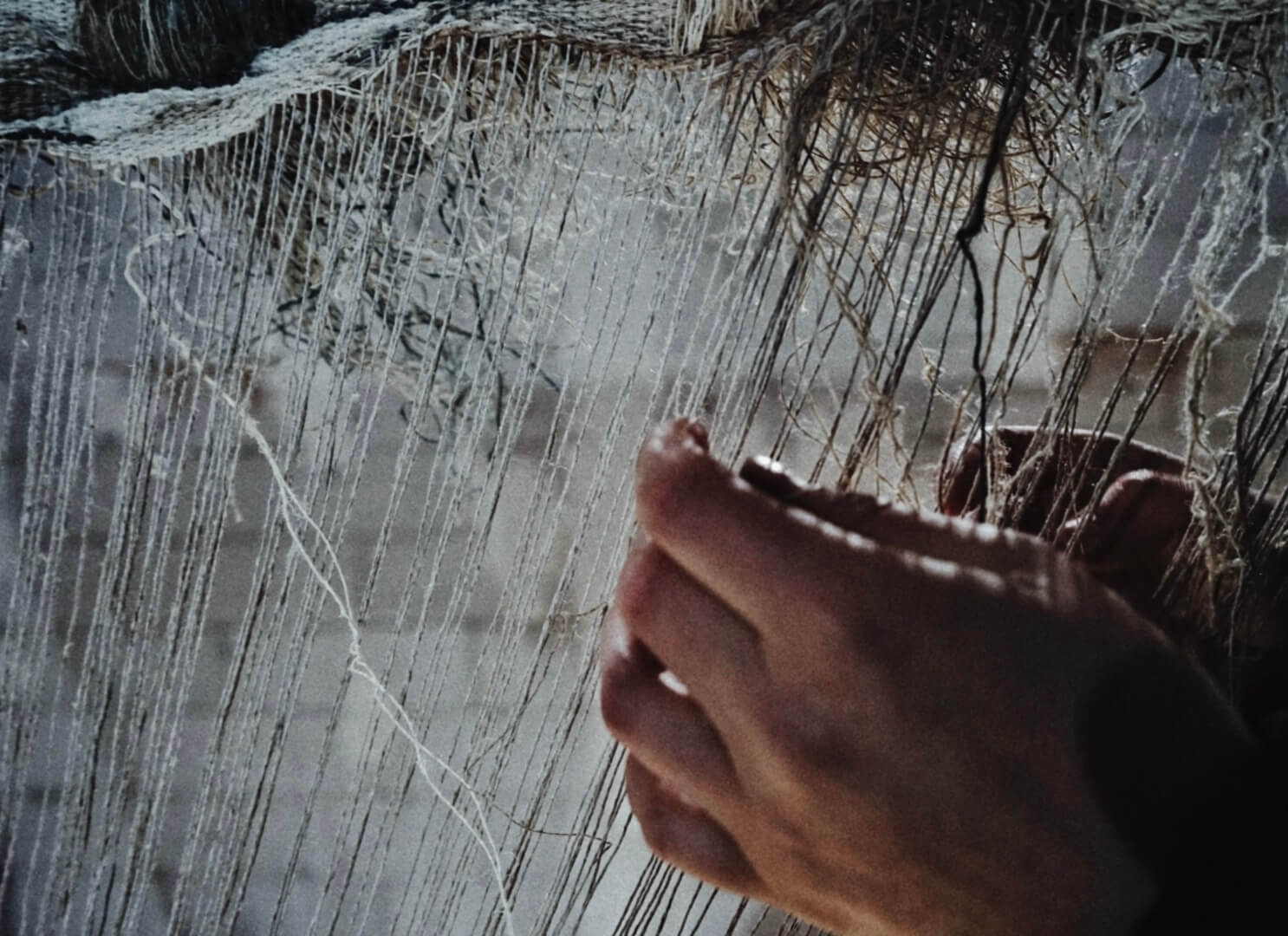
Working with natural pigments, handweaving, bioplastic, and found objects became a way to process lived experience — especially during wartime. Repetition, tactility, and observation turned into tools of resilience. My path has been a shift from image-making to material
listening, from production to presence.
What is your relationship with nature?
Nature acts as a collaborator in my practice. I am deeply connected to the Ukrainian steppe landscapes and the idea of the “underground
forest” — the powerful root systems beneath grasslands that remain invisible yet essential. This image shapes my thinking about memory, survival, and hidden strength.
I work primarily with natural materials, not only for ecological reasons but because they carry time within them. Dyeing threads with plants or scanning roots for digital animation becomes a dialogue — an act of attention and care.
Tell us a bit about your project that the Foundation is funding.
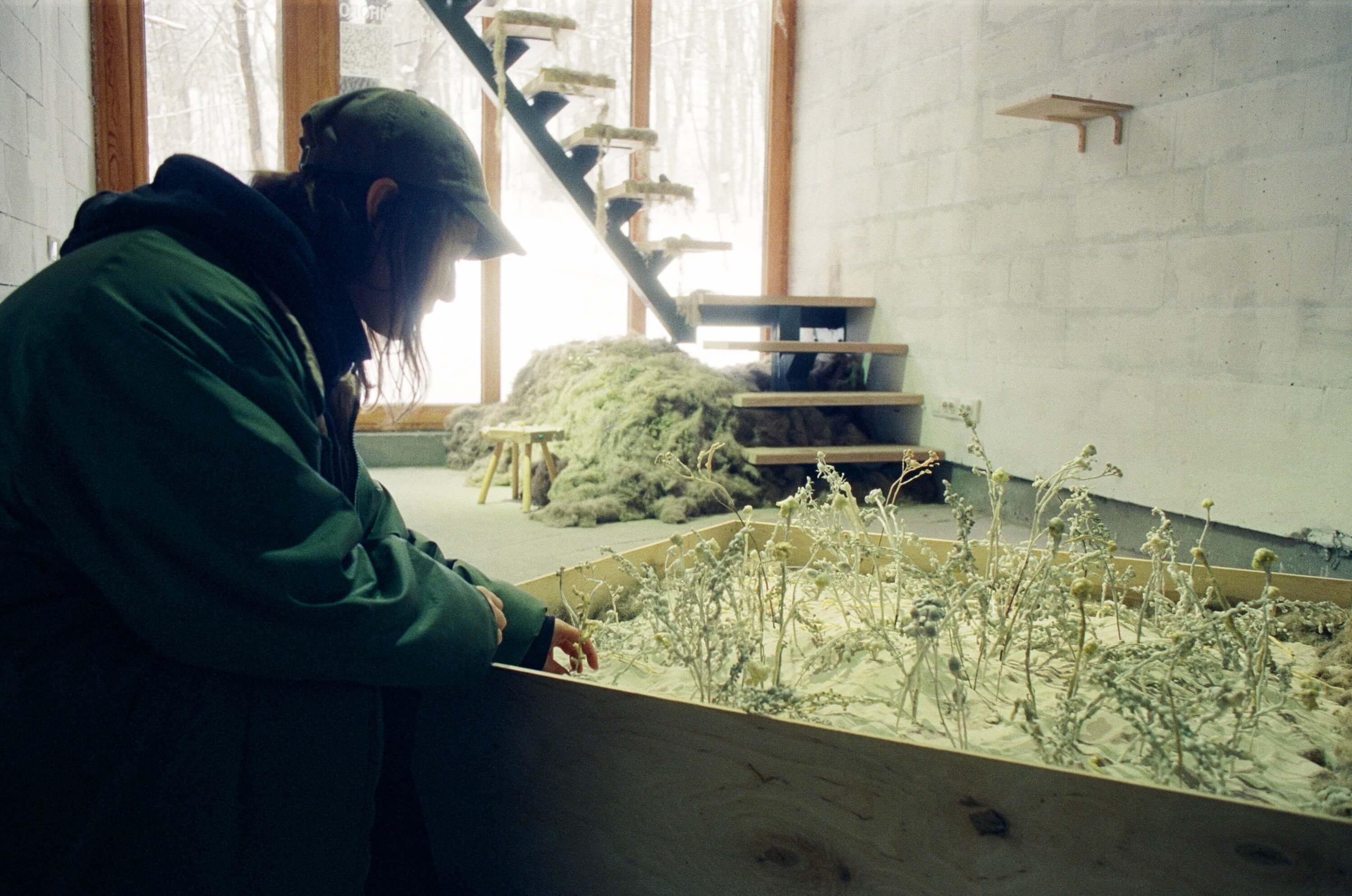
The supported project, Underground Forest, is an artistic research initiative launched in 2025. It focuses on steppe ecosystems in Ukraine, particularly territories affected by war. The project combines field research, 3D scanning of plants, digital visualization of root systems, and a meditative video essay that imagines a dialogue with these plants. By exploring what exists beneath the surface, I reflect on resilience, ecological memory, and decolonial perspectives on landscape.
The work will be presented within an international cultural context and aims to connect environmental awareness with artistic storytelling. The first showcase is scheduled for late Autumn 2026 in the framework of Oulu European Capital of Culture.
What does art mean to you?
For me, art is a space where complexity can exist without simplification. In times of war, art does not escape reality — it helps us endure it. It creates a space to slow down and remain sensitive. For individuals, art can be a shelter, for society, it is a space of memory and imagination — a way to envision futures beyond destruction.
Art is a way to envision futures beyond destruction.
What kinds of artistic experiences stay with you the most?
The most powerful artistic experiences for me are multisensory. When you feel space, sound, texture, even smell. I wish everyone could experience art slowly, without rushing. To spend time with a work long enough for something subtle to shift inside. Art is not only about viewing, it is about presence.
The world needs thought-provoking art. This blog series goes behind the art, featuring artists and works supported by the Sakari Alhopuro Foundation. In 2025, the art grants were awarded to artists who address aspects of climate change, biodiversity loss or the state of Finnish nature in their work.