
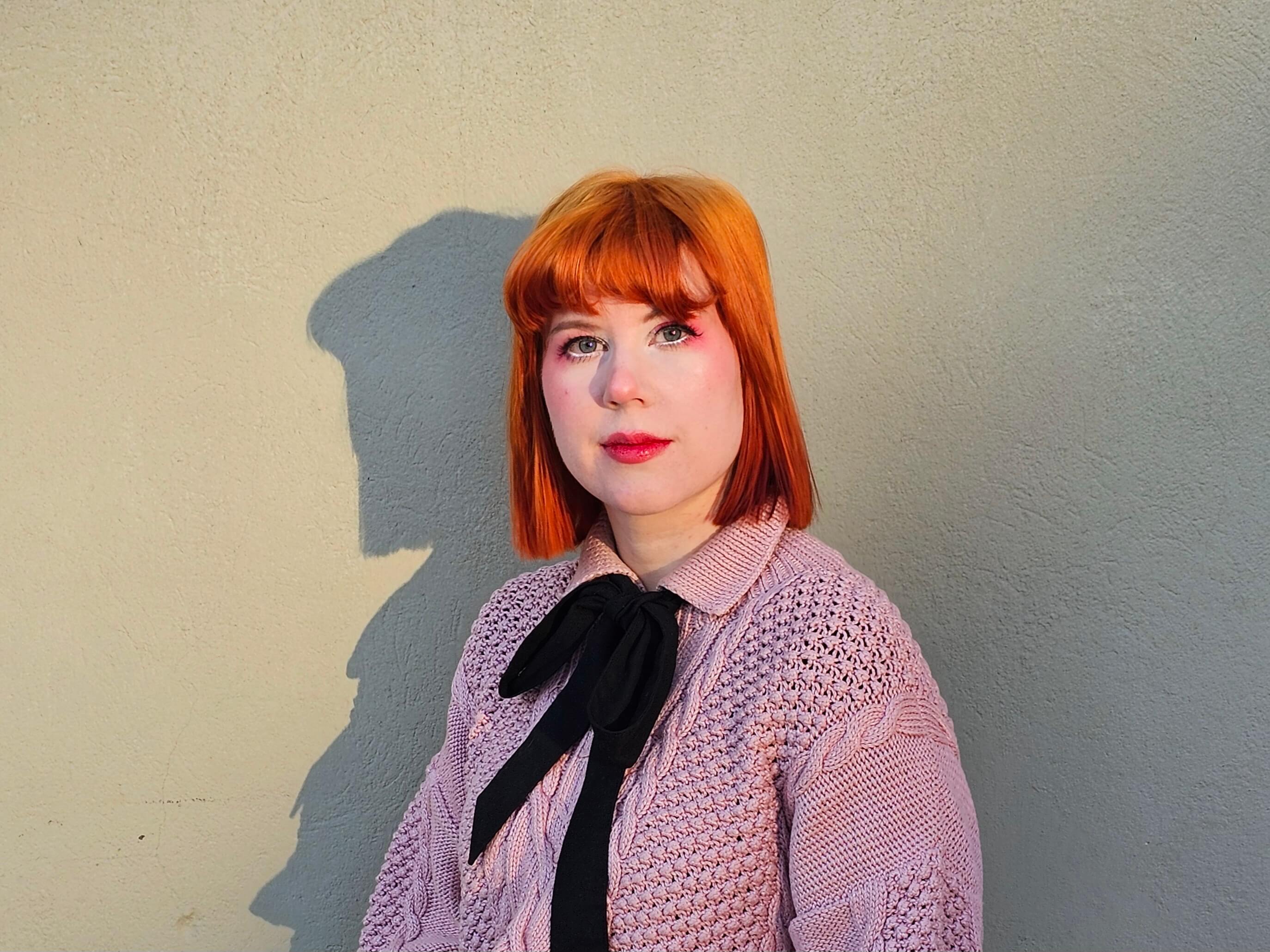
Behind the Art: Mette Matilda Matilda
Mette Matilda explores the eutrophication of Finnish waters and the loss of biodiversity through her work. The combination of ceramics and glass reflects the fragility of endangered organisms and their habitats.Published: 19.3.2026
Text: Mette Matilda
Editing: Viestintätoimisto Jokiranta Oy
How did you become an artist?
I have always been creative and have worked on various art projects. For a long time, however, I planned to become a dentist, as it would have allowed me to work with my hands and earn a good living. As a teenager, I spent an exchange year in Britain, and things were difficult at my host family's home: the parents were going through a divorce, and I took refuge in the art room, where I spent most of my free time. At the end of the school year, someone from a university of the arts came to our art class to talk about their experiences. I thought it had nothing to do with me, but the more I thought about it, the more dreadful the idea of doing anything other than art began to seem. It still took a little while before I understood that being an artist is a real profession: you can study art, and you can make a living from it.
What is your relationship with nature?
Nature is extraordinary, and the forest holds endless wonders. All the organisms living there – plants, fungi and animals – have evolved to thrive in very particular conditions. A plant that grows in shade would not survive in a sunnier part of the forest. When even a small section of the forest is felled, it can mean the destruction of an entire species, because the precise habitat it depends on disappears.
Together, all these organisms create the most remarkable shapes, colours, scents and flavours. When you stop at the base of a tree to study its surface, you realise how limited we humans truly are. The bark contains details so intricate that even the most skilled sculptor could not replicate them. When everything sometimes feels overwhelming, I go for a walk in nature to remind myself that the world is extraordinary and deeply beautiful – and I think that perhaps there is a place in it for me, too.
Nature is extraordinary, and the forest holds endless wonders.
Tell us a bit about your project that the Foundation is funding.
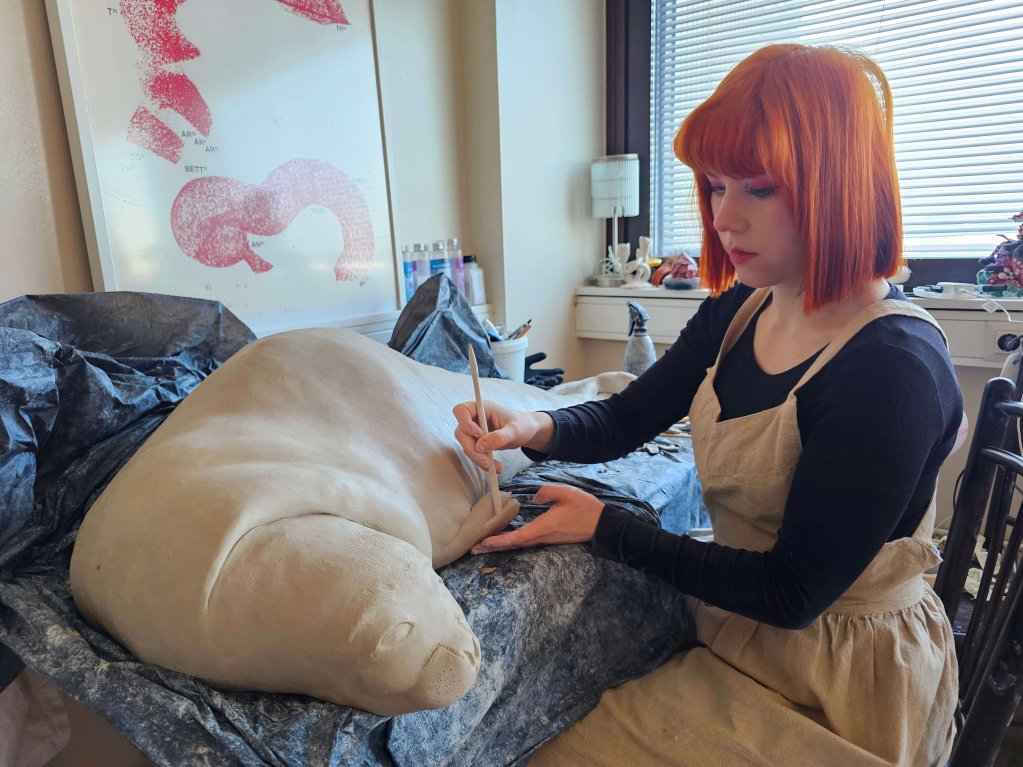
I am working on a series of works addressing the eutrophication of Finnish waters and the loss of biodiversity. The works combine ceramics and glass, two materials that reflect the fragility of endangered organisms and their habitats.
What does art mean to you?
Art has an immense influence on my life. Making it is sometimes painful and sometimes the best thing in the world. The things I get excited about and talk to others about are often works of art. I am perhaps a little more aware than most that my favourite series, song, book or piece of clothing was designed by one or several artists – and that earlier works have inspired those being made today. Art surrounds us in so many different forms, brightening each person's day.
What has been the greatest art experience of your life?
Choosing just one feels impossible, as so many works have moved me. Lately I have been captivated by Technicolor films from the 1940s and 50s. The long sequence in The Red Shoes, for instance, in which the lead character dances amidst oil-painted sets, is still breathtaking. At Copenhagen Contemporary, I saw James Turrell's work Aftershock, which was such an overwhelming sensory experience that I have never encountered anything quite like it elsewhere. This list could go on endlessly, as the world is full of extraordinary art experiences.
The world needs thought-provoking art. This blog series goes behind the art, featuring artists and works supported by the Sakari Alhopuro Foundation. In 2025, the art grants were awarded to artists who address aspects of climate change, biodiversity loss or the state of Finnish nature in their work.