
Wega Group's biorefinery will reduce the phosphorus load in the Archipelago Sea
According to official sources, approximately 460 tonnes of phosphorus enter the Archipelago Sea each year. A biorefinery planned in Southwest Finland is expected to significantly reduce agricultural phosphorus loads by separating up to 280 tonnes of phosphorus from manure and processing it into recycled fertilisers. This will significantly slow down the eutrophication of the sea.Published: 27.1.2026
Text: Leena Hulsi / Viestintätoimisto Jokiranta Oy
Photos: Niko Sieppi / Rabbit Visuals Oy
The new Southwest Finland biorefinery (in Finnish: Varsinais-Suomen biojalostamo), which is expected to be operational in 2029, will offer sustainable and innovative energy solutions for clients that endeavour to lower emissions in their own operations. With manure and other biomasses as raw materials, the plant produces bioenergy for the use of, for instance, heavy transport, vessel traffic and industry. The bioenergy is intended to replace fossil fuels and decrease their consumption.
“We will boost green transition by producing clean energy from the side streams of agriculture and food industry. The aim is to replace fossil fuels with renewable methane”, explains Niko Ristikankare, the CEO of Wega Group Oy and co-founder of the company.
In addition to biomethane, the advanced biorefinery will also produce synthetic methane known as e-methane. Its raw materials include clean hydrogen, which is produced using renewable electricity, and carbon dioxide captured from biogas processes.
“Our biorefinery plant is also designed to utilise the side streams from our own processes as raw materials for subsequent processing. Side-stream utilisation on such a large scale will enhance the cost-efficiency of our project. Another aim is to cut down the plant’s own emissions”, Ristikankare adds.
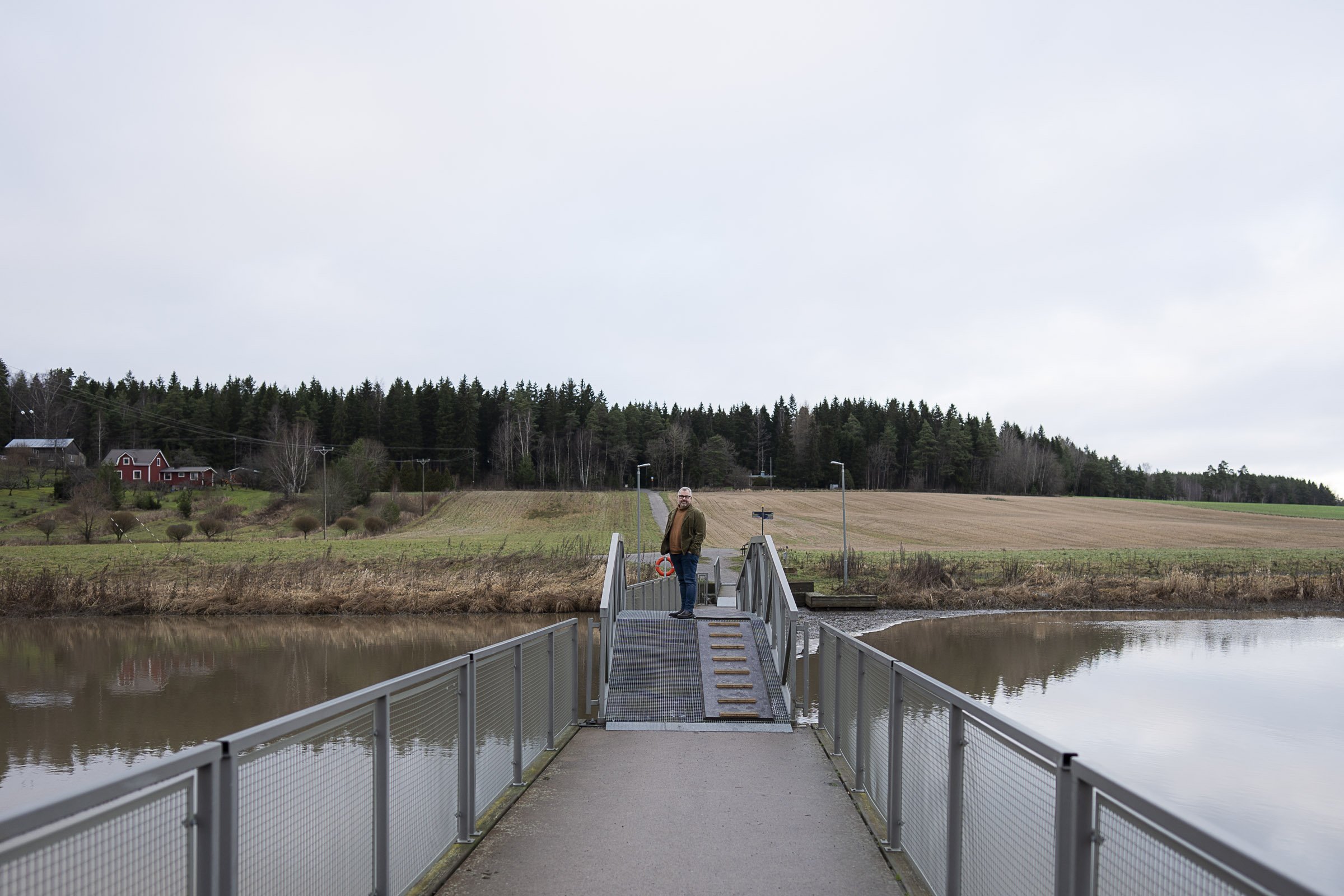
"In the best case scenario, we can eliminate up to 45 percent of the phosphorus runoff that would otherwise flow into the local waterways and on to the Archipelago Sea", says Niko Ristikankare, CEO of Wega Group Oy.
Manure recycling
Wega’s industrial-scale biorefinery will process some 600,000 tonnes of raw materials annually, of which about 85 percent consists of manure collected from farms. The remaining 15 percent consist of field biomasses and food-industry side streams. From this volume of raw materials, Southwest Finland biorefinery will produce climate-friendly bioenergy at the annual rates of 210 GWh of biomethane and 160 GWh of e-methane and, in addition, recycled fertilisers.
Built near the spring source of the Aura River, the new biorefinery will not only have a positive impact on the climate but through fertiliser recycling it will also significantly improve the state of the Archipelago Sea.
“As part of bioprocessing, nutrients are recovered and recycled as fertilisers for plants in the fields. In the best case scenario, we can eliminate up to 45 percent of the phosphorus runoff that would otherwise flow into the local waterways and on to the Archipelago Sea. This will have a significant impact on the state of the sea”, says Ristikankare.
We owe it to the sea
According to Ristikankare, the recycling of fertilisers and reduction of nutrient load in the Archipelago Sea were not, however, the primary objectives for the biorefinery plant.
“It is true that we have invested a great deal in recycled fertilisers, but, in a sense, they are a by-product of our core operations. This is a goodwill project that no one seems to object”, Ristikankare says smiling.
Ristikankare is a visionary business leader who also holds the degree of Master Mariner. For almost all of his life, he has spent time at sea in the Archipelago Sea – sailing, fishing and diving. Efforts to improve the state of the sea are particularly close to his heart.
“Personally, I have a strong relationship with the sea and its condition has worried me for a long time. Throughout history, the sea has given us so much. We have reached out to the world via the archipelago, sending people, animals and goods across the seas.”
For Ristikankare, the sea features a lot of mystical aspects, while also providing plenty of opportunities. We cannot afford to lose the unique Archipelago Sea.
“In this part of Finland, there is no other region as unique as the Archipelago Sea. For the time being, the sea is in poor shape and we humans are the only ones that have the power to reverse this development. We owe it to the sea.”
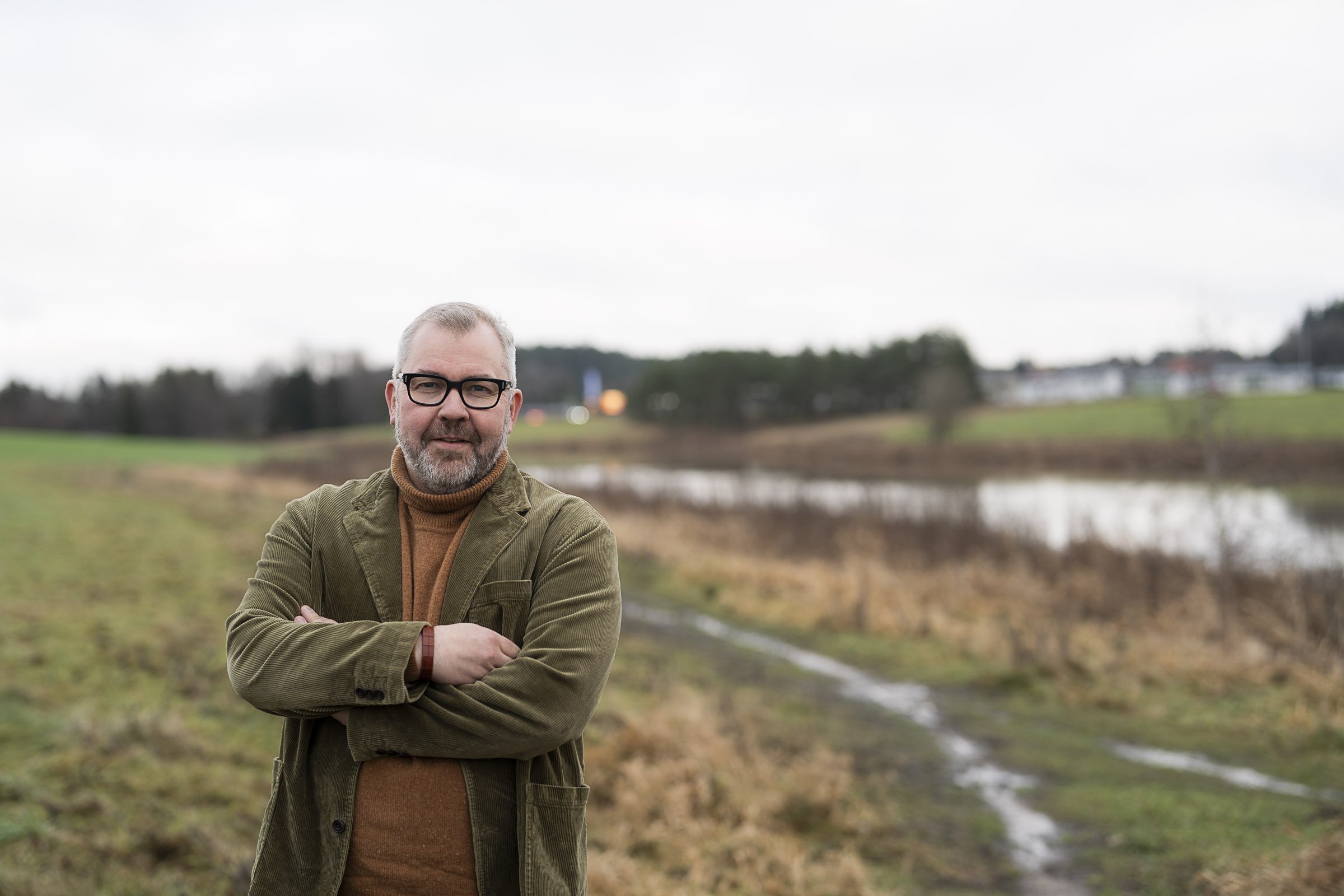
"The farmers are well-informed and conscious partners whose expertise and knowledge is essential for the purpose of solving problems. They must not be made to feel guilty – they are the ones that produce our food”, Niko Ristikankare says.
More cooperation is needed
When speaking about the eutrophication of the Archipelago Sea, the blame is often put on agriculture and farming. Ristikankare finds this accusation to be unreasonable, because we need domestic agricultural production simply for the sake of security of supply.
“The plants require phosphorus and nitrogen to grow and thrive. Problems arise when the nutrients run off from the fields to the waterways and result in marine eutrophication. Wega is now trying to solve and fix the problem jointly with farmers.”
“For us, it is important that the primary production, namely agriculture, is involved in the chain. That’s why we engage in discussions with the farmers and listen to their opinions. The farmers are well-informed and conscious partners whose expertise and knowledge is essential for the purpose of solving problems. They must not be made to feel guilty – they are the ones that produce our food.”
In order to improve the state of the Archipelago Sea, Ristikankare calls for more efficient collaboration between the various actors.
“Bringing people together and brainstorming is a good way to widen perspectives and advance creative thinking. It is necessary for businesses and researchers to meet halfway and listen more carefully to each others’ needs and concerns. When we put in the effort to find a solution, we usually find one”, Ristikankare assures.
Wega Group Oy is the main partner for the Baltic Sea Archipelagos Symposium arranged by the Sakari Alhopuro Foundation.