
Could metformin help women suffering from polycystic ovary syndrome?
Polycystic Ovary Syndrome (PCOS) affects an individual’s health and wellbeing in many ways. PCOS occurs in one out of eight women, thereby impairing their quality of life considerably, and yet, surprisingly little attention has been paid to the care and treatment of this condition. A research project has now been initiated at HUS Helsinki University Hospital to explore the possible use and optimal dosage of an antidiabetic drug, metformin, for the treatment of PCOS.Published: 16.4.2026
Text: Johanna Melin
Editing: Viestintätoimisto Jokiranta Oy
Image: Shutterstock
Polycystic Ovary Syndrome (PCOS) is the most common disorder related to female hormonal metabolism, occurring in one out of eight women. PCOS is linked with metabolic health risks, such as obesity, diabetes and metabolic syndrome. It has also been reported that mental health disorders are more frequently associated with PCOS. All these symptoms have an impairing effect on the quality of life of women with PCOS but, nevertheless, the holistic nature of this syndrome is too often ignored. Moreover, there is very little researched information concerning the optimal medication for PCOS.
The aim of our research project, which started last autumn, is to investigate the use of metformin for the treatment of PCOS and to establish its optimal daily dose with special reference to metabolic and hormonal co-morbidities.
What is PCOS?
In our research, the diagnostics of PCOS is based on the Rotterdam Criteria, revised in 2023, according to which a diagnosis of PCOS is recommended if, at least, two of the following three conditions are met:
- Irregular menstrual cycles (< 21 or > 35 days or fewer than 8 cycles per year);
- Excessive production of androgenic hormones (extra hair growth in areas typical for men and/or elevated concentration of total testosterone in blood or calculated free testosterone);
- Polycystic ovaries (≥ 20 small follicles in one or both ovaries and/or blood AMH level above the age-specific reference value).
In addition, other diseases with similar symptom manifestation should be excluded (for example, hypothyroidism or hyperprolactinemia).
How will the study be conducted?
Two randomised groups of subjects will be treated with metformin during a period of six months: one group with a daily dose of 1,500 mg and the other with a daily dose of 2,250 mg. Because of blinding and randomisation, neither the investigators nor the subjects know which group each subject belongs to. The intention of this method is to ensure the highest possible reliability of the results concerning the efficacy of metformin.
The subjects will visit a specialist for a total of three times in the course of the study. During the visits, they will complete questionnaires and blood will be drawn for baseline testing before the medication with metformin begins and, finally, six months after the initiation of the medication.
Who can take part in the study?
It is possible to take part in the study if
- you reside in the Helsinki metropolitan area or are willing to travel to the Helsinki metropolitan area for laboratory tests and examinations
- you are 18–37 years old and are diagnosed with or suspected of having PCOS
- your body mass index (BMI) is ≥ 25 and < 40 kg/m2
- you are not pregnant or lactating
- you do not have untreated hypothyroidism or hyperprolactinemia
- you do not use hormonal contraception, metformin, medication for infertility, diabetes, obesity or cholesterol, or inositol or berberine.
What is the current phase of research?
Subjects have been recruited and examined since November 2025. Their visits to the Reproductive Medicine Unit of the University of Helsinki take place in the evenings after normal working hours. According to our estimate, the study will take about 2–2.5 years. Our intention is to carry out the analyses of the results in 2027–2028.
What is the significance of the research?
We believe that the knowledge obtained from this research will play a significant role in providing PCOS women with care and treatment, medical follow-up and information. The researched information will be of benefit for both specialised and basic healthcare and, in particular, for the patients suffering from the diversified symptoms of PCOS.
Where can you get more information about the research?
More information is available from the project website at www.metpcos.fi.
It is also possible to enrol in the study via the website.
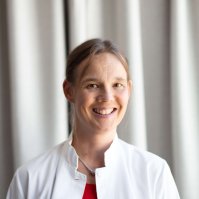
Johanna Melin, M.D., Ph.D., Specialist in Gynaecology and Obstetrics, is currently working at the Reproductive Medicine Unit at Helsinki University Hospital. Her areas of responsibility include PCOS, fertility treatments with donated gametes and embryo diagnostics. In her research, Melin focuses on PCOS and reproductive health among female cancer survivors.