
Behind the Art: Eliya Zweygberg
Finnish sculptor Eliya Zweygberg seeks through her art to draw attention to the human relationship with nature and animals. Her upcoming exhibition UN:WANTED, created together with visual artist Laura Iisalo, explores interspecies empathy and its absencePublished: 14.5.2026
Text: Eliya Zweygberg
Editing: Viestintätoimisto Jokiranta Oy
How did you become an artist?
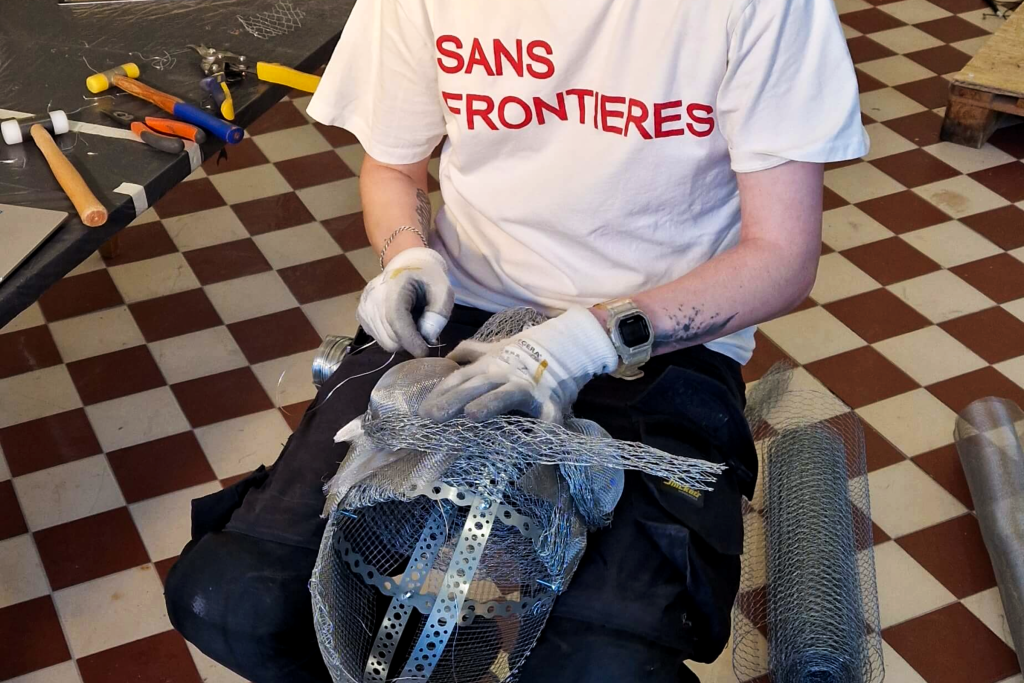
In my childhood, I had two great passions: animals and art. I could spend hours drawing or modelling with clay. As a child, I also discovered what is now the main material of my sculptures: metal mesh. I shaped translucent animal figures from the mesh and sometimes covered them with paper pulp. I held my first exhibitions when I was 14 or 15 years old. Since then, art — and animal sculptures in particular — have been a significant part of my life. Ten years ago, I became a full-time artist, and in 2025 I graduated as a visual artist from Turku Arts Academy.
What is your relationship with nature like?
I grew up in central Helsinki, where access to nature was not a given. My favourite place was the Finnish Museum of Natural History in Töölö, where I could endlessly study and admire animals and their anatomy. I still live in the city, but my longing to be closer to nature sometimes makes me reflect on my living environment and on what kind of surroundings I want to live in in the future. Through my art, I want to draw attention to the human relationship with nature and animals — to how we see other species and what kind of place we give them in our shared world.
Tell us a bit about your project that the Foundation is funding.
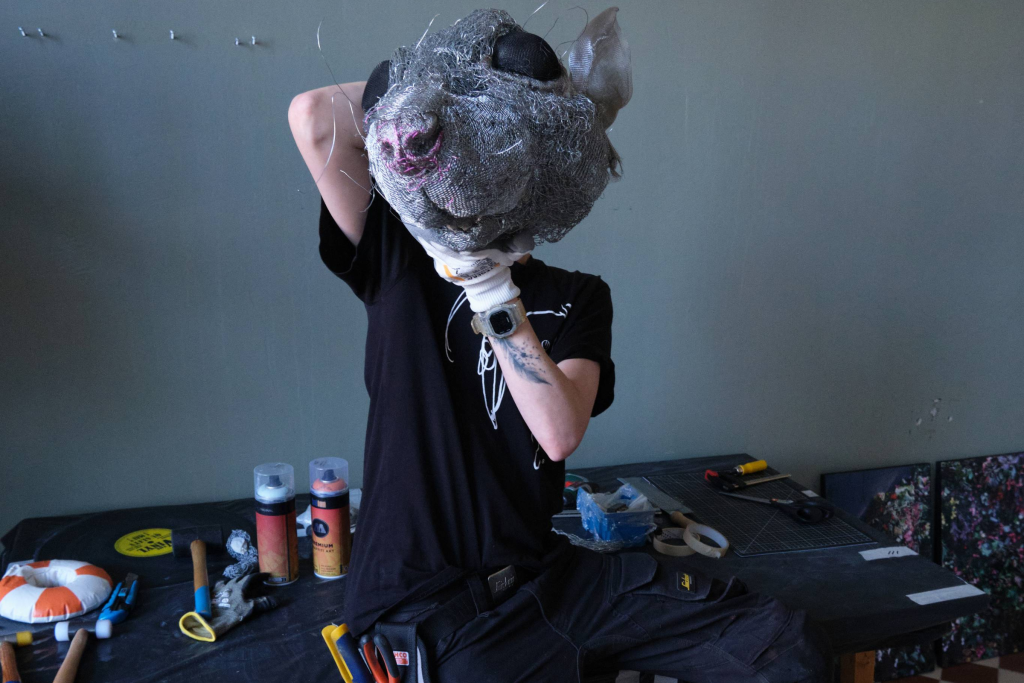
Together with visual artist Laura Iisalo, I am working on an art exhibition titled UN:WANTED. The starting point of the theme is interspecies empathy and its absence. The body of work addresses non-human animals that in our society often become targets of human hostility. We tend to value animals according to our own preferences and the benefits we gain from them: we love dogs and cats, but towards some other species we are hostile and ready to kill them.
The exhibition consists of sculptures as well as photographic and media works that bring animals together and examine the world from non-human perspectives, shifting the gaze away from an anthropocentric way of thinking. The exhibition will be presented at HAA Gallery in Suomenlinna, Helsinki, from 22 January to 13 February 2027.
Art is an important pathway to questions that we might not otherwise stop to consider.
What does art mean to you?
For me, art is a way of being and living, and a way of dealing with difficult subjects. Art has intrinsic value, but I also see it as an important pathway to questions that we might not otherwise stop to consider. Themes related to animal rights, for example, are easy to avoid because they directly touch upon our own actions and responsibilities.
The world needs thought-provoking art. This blog series goes behind the art, featuring artists and works supported by the Sakari Alhopuro Foundation. In 2025, the art grants were awarded to artists who address aspects of climate change, biodiversity loss or the state of Finnish nature in their work.